

Excellence Through Continuous Quality Enhancement.
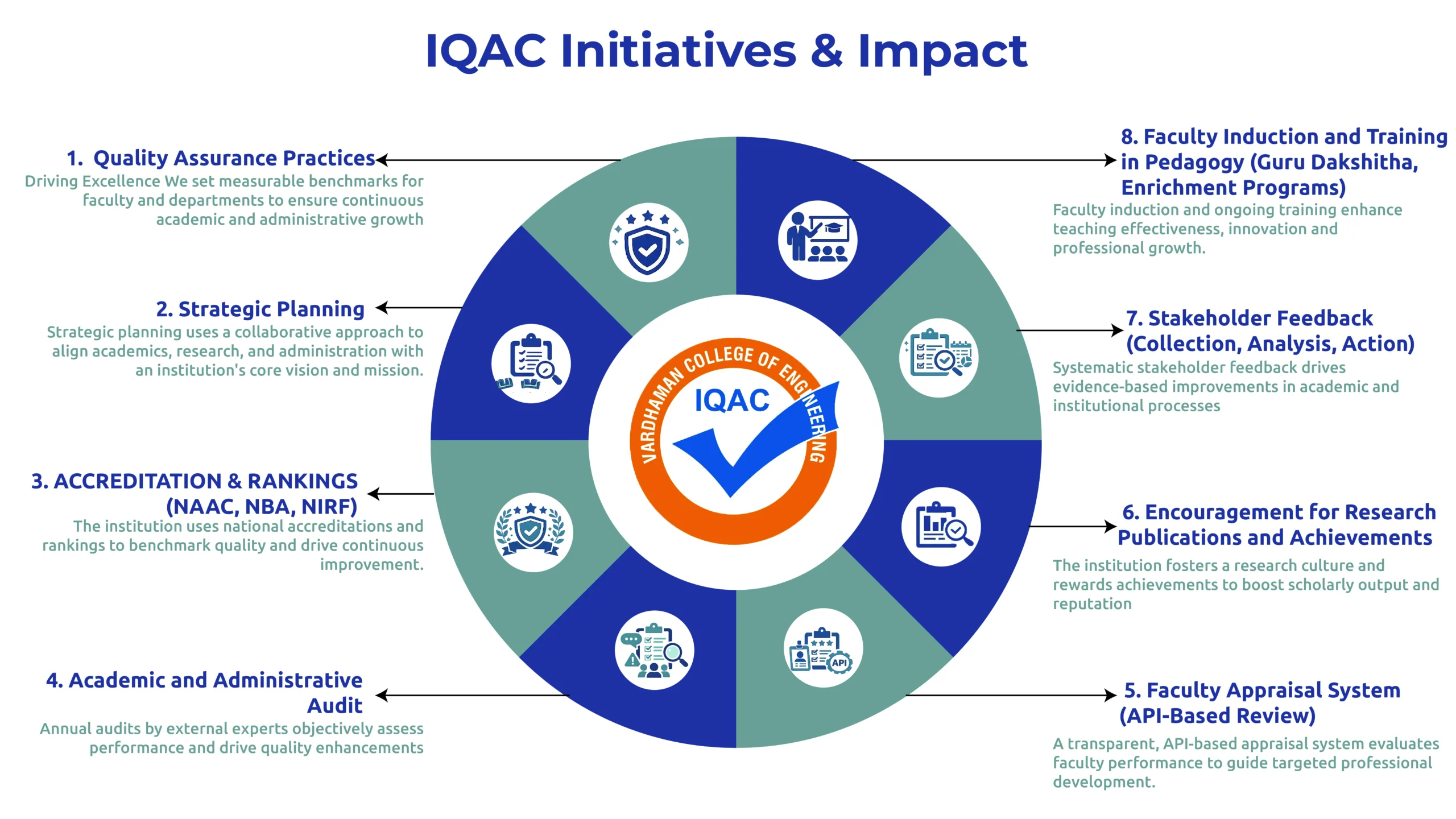
The Quality Assurance Framework at Vardhaman College of Engineering, driven by the Internal Quality Assurance Cell (IQAC), is built on a comprehensive and structured approach to ensure continuous improvement in academic and administrative processes. The framework integrates key components such as
The Student Feedback on Teaching–Learning Process (TLP) at Vardhaman College of Engineering is a structured quality assurance initiative implemented under the guidance of IQAC. Feedback is systematically collected twice in each semester once at the mid-semester stage and again at the end of the semester through a standardized online mechanism. The feedback instrument comprises well-defined parameters evaluated on a 5-point scale, capturing key aspects such as course delivery, faculty effectiveness, use of ICT tools, student engagement, and attainment of course outcomes. With an average participation of nearly 90% of students, the process ensures comprehensive and representative input across all programmes.
The collected feedback is rigorously analyzed using structured evaluation metrics, and a benchmark threshold (currently set at 75%) is used to identify areas requiring improvement. Faculty members falling below the threshold are guided through a formal counselling process involving the Principal, Deans, and Heads of Departments. Corrective measures include pedagogical enhancement, adoption of innovative teaching practices, participation in FDPs and NPTEL certifications, and improved student engagement strategies. Positive performance is also recognized and factored into the Performance-Based Appraisal System (PBAS). This systematic cycle of feedback, analysis, counselling, and improvement ensures continuous enhancement of teaching quality and reinforces a culture of accountability and excellence.
As part of its commitment to continuous quality improvement (CQI) and institutional excellence, Vardhaman College of Engineering has implemented a robust Performance-Based Appraisal System (PBAS) aligned with Academic Performance Indicators (API). This structured framework, developed under the guidance of the IQAC, ensures a comprehensive, transparent, and evidence-based evaluation of faculty performance across multiple dimensions.
The PBAS framework systematically assesses faculty contributions in key domains such as Teaching–Learning and Evaluation, Research and Innovation, Professional Development, Student Mentoring, and Institutional Responsibilities. It incorporates well-defined rubrics, measurable outcomes, and documentation-based verification, thereby promoting accountability and consistency in performance evaluation. The system also emphasizes outcome-based education practices, including course outcome attainment, innovative pedagogy, feedback mechanisms, and student engagement.
In addition, the framework actively encourages research publications, funded projects, patents, consultancy, and industry collaboration, while also recognizing contributions to professional development and extension activities. By linking performance metrics with institutional goals, the PBAS facilitates data-driven decision-making, faculty development, and strategic planning, ultimately enhancing academic quality and institutional growth. This initiative reflects Vardhaman’s strong commitment to quality assurance, transparency, and excellence in higher education
The Student Feedback on Teaching–Learning Process (TLP) at Vardhaman College of Engineering is a structured quality assurance initiative implemented under the guidance of IQAC. Feedback is systematically collected twice in each semester once at the mid-semester stage and again at the end of the semester through a standardized online mechanism. The feedback instrument comprises well-defined parameters evaluated on a 5-point scale, capturing key aspects such as course delivery, faculty effectiveness, use of ICT tools, student engagement, and attainment of course outcomes. With an average participation of nearly 90% of students, the process ensures comprehensive and representative input across all programmes.
The collected feedback is rigorously analyzed using structured evaluation metrics, and a benchmark threshold (currently set at 75%) is used to identify areas requiring improvement. Faculty members falling below the threshold are guided through a formal counselling process involving the Principal, Deans, and Heads of Departments. Corrective measures include pedagogical enhancement, adoption of innovative teaching practices, participation in FDPs and NPTEL certifications, and improved student engagement strategies. Positive performance is also recognized and factored into the Performance-Based Appraisal System (PBAS). This systematic cycle of feedback, analysis, counselling, and improvement ensures continuous enhancement of teaching quality and reinforces a culture of accountability and excellence.
The Academic Audit at Vardhaman College of Engineering (VCE) is a structured and systematic process aimed at evaluating and enhancing academic and administrative performance. It ensures compliance with quality standards and promotes continuous improvement in teaching–learning processes, governance, and institutional effectiveness.
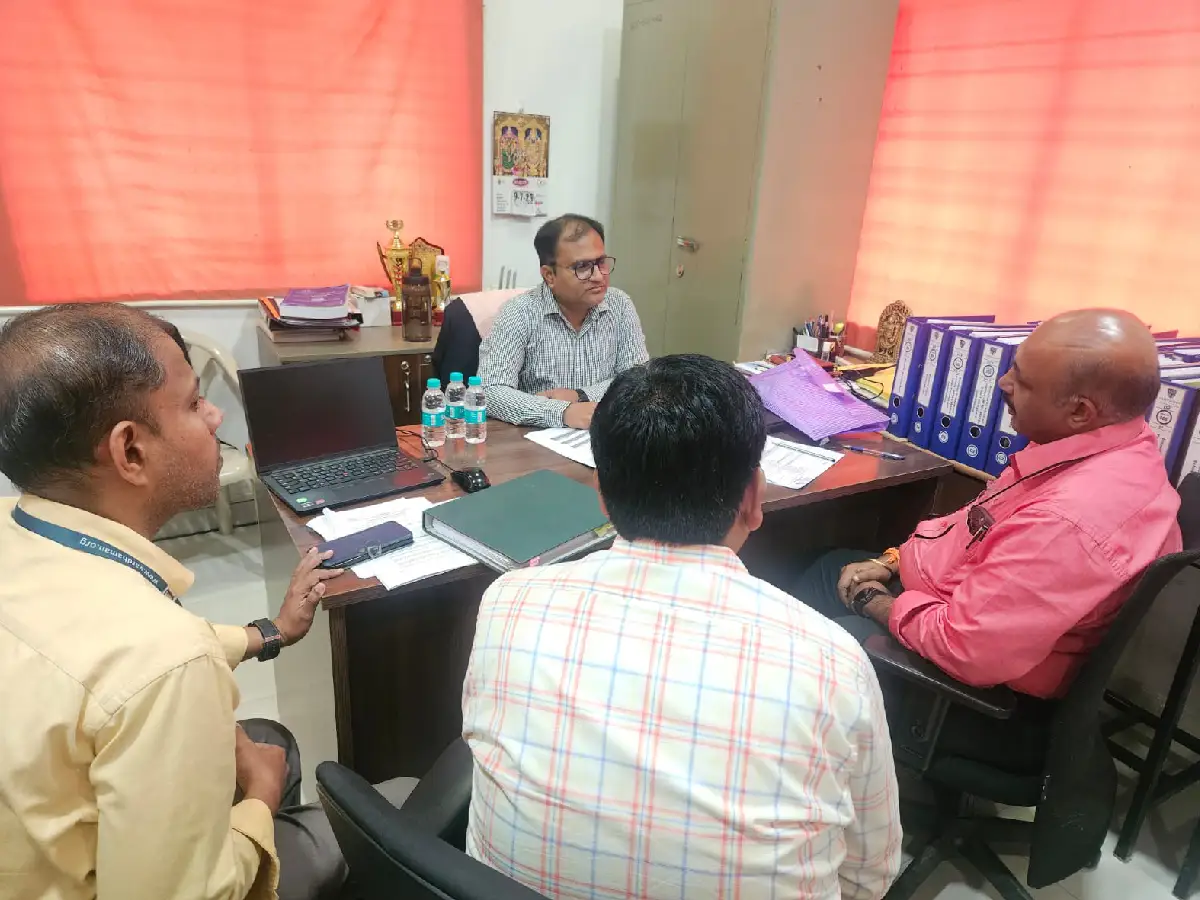
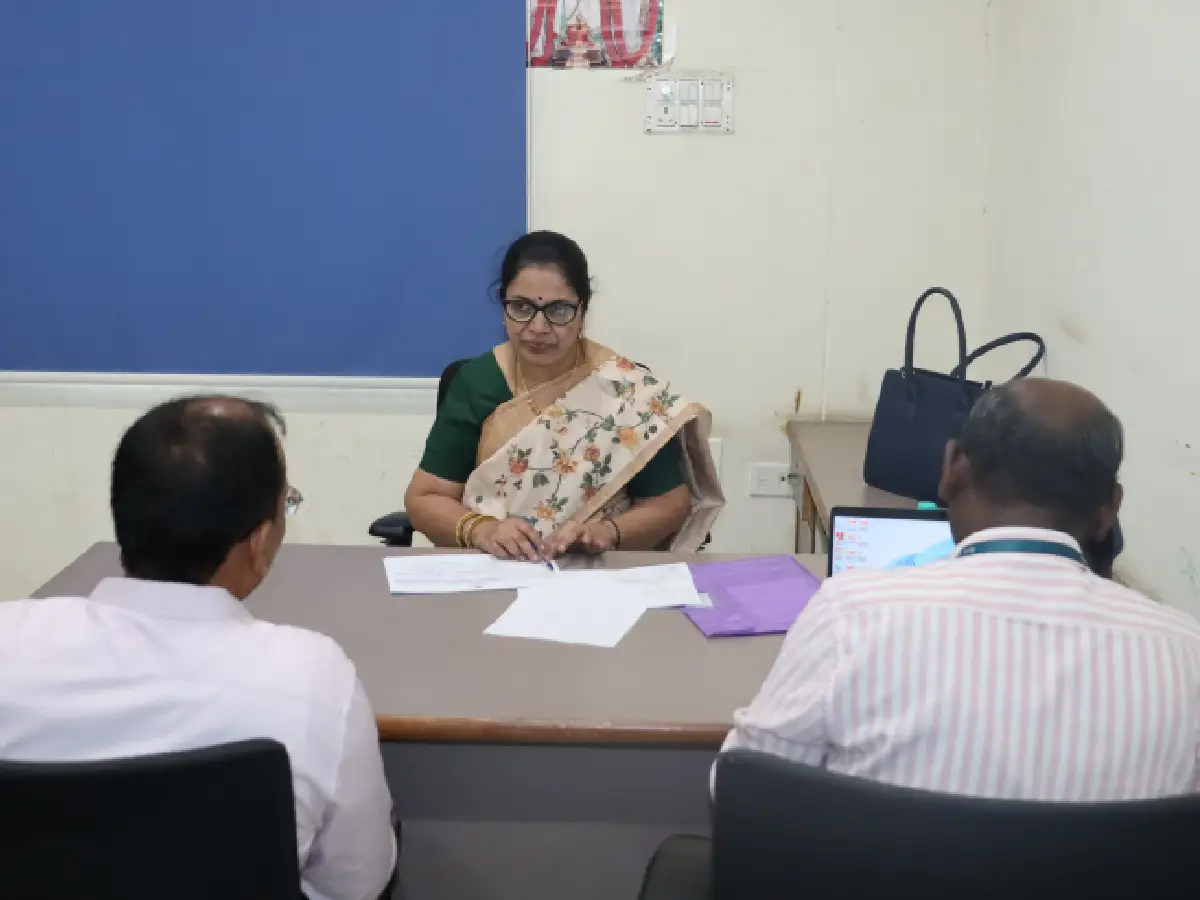
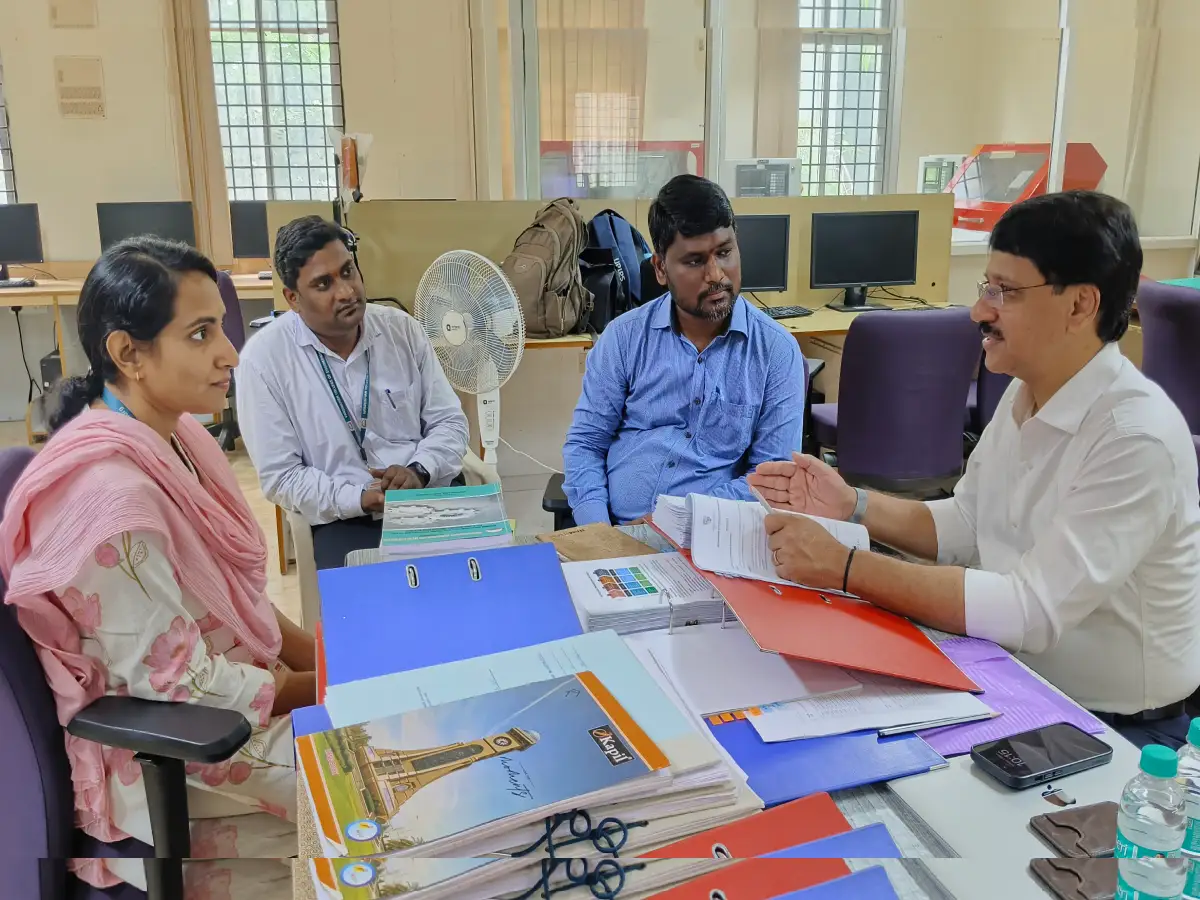
Internal audits are conducted twice in each academic year by the Internal Quality Assurance Cell (IQAC) and the Academic Audit Committee. These audits focus on evaluating faculty performance, course file documentation, student outcomes, and adherence to academic policies at the departmental level. Key aspects such as syllabus coverage, attainment of course outcomes, feedback analysis, and mentoring effectiveness are systematically reviewed. The internal audit process enables continuous monitoring and timely corrective actions, ensuring alignment with institutional quality benchmarks.
The Academic and Administrative Audit (AAA) is conducted Annually by an external panel of experts drawn from reputed institutions such as IITs, NITs, DTU, and leading industry organizations. This audit provides an independent and objective assessment of institutional policies, curriculum effectiveness, faculty development initiatives, research performance, student achievements, and administrative efficiency. The recommendations provided by the external audit team are critically reviewed and implemented to strengthen institutional processes and enhance overall quality.
Audit findings are documented and submitted to the IQAC for review. Based on the observations, action plans and corrective measures are formulated and their implementation is monitored periodically. This structured cycle of evaluation, feedback, and improvement fosters transparency, accountability, and continuous quality enhancement across all institutional domains.
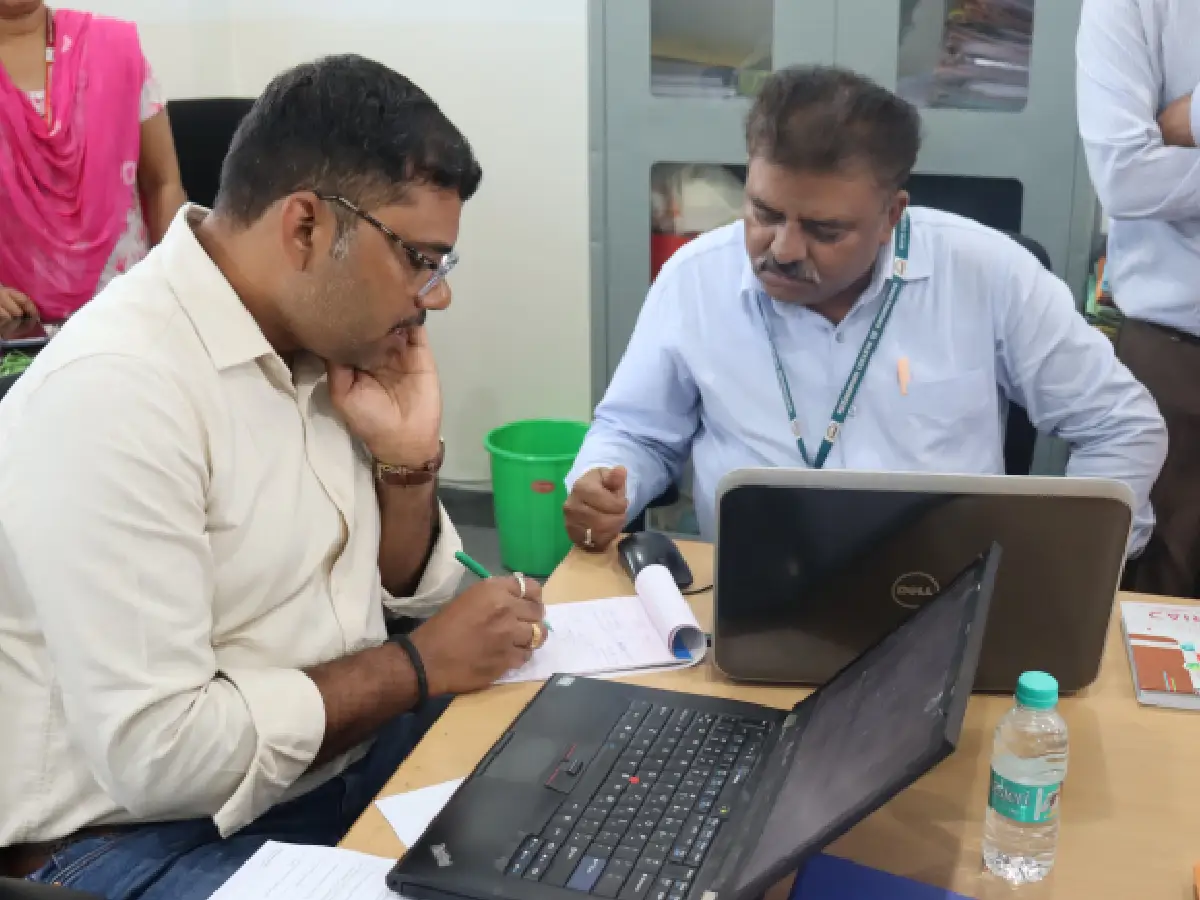

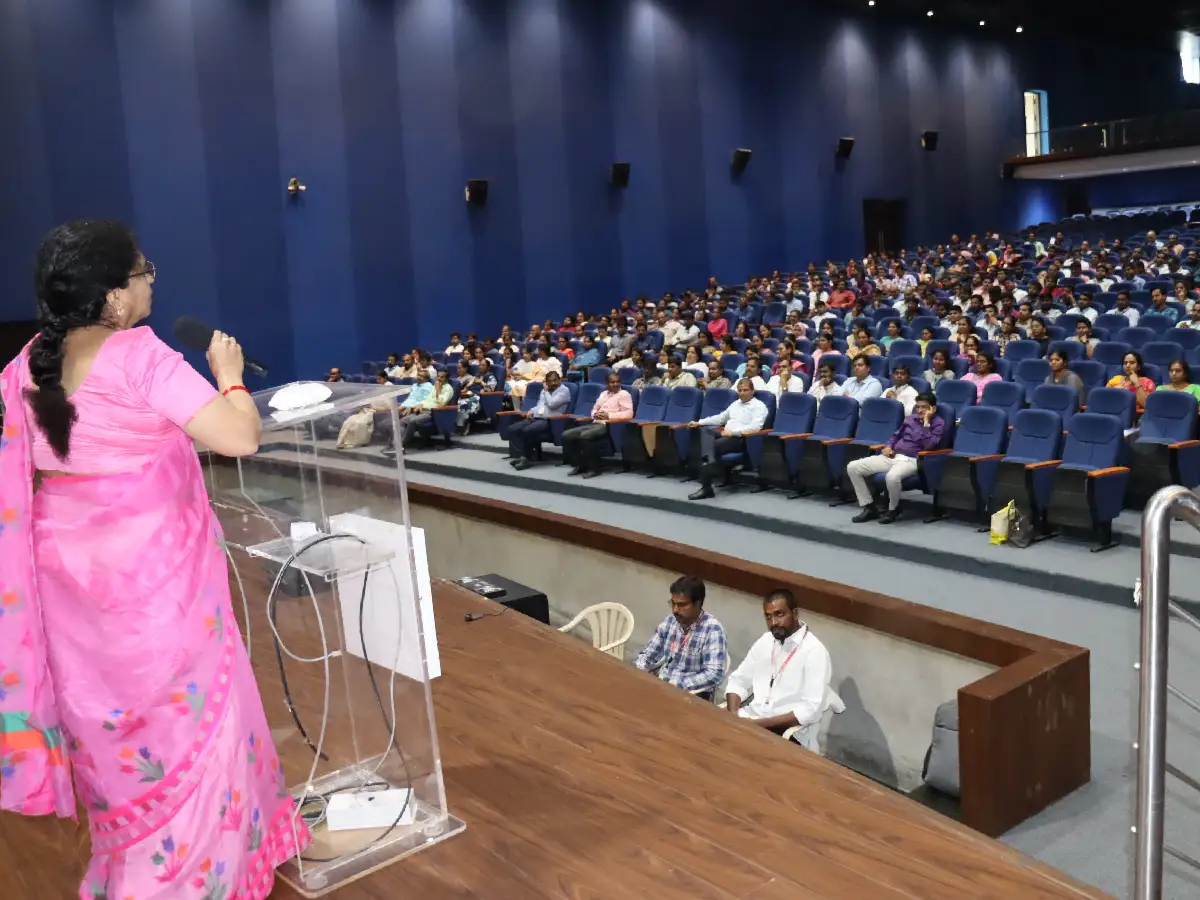
The Internal Quality Assurance Cell (IQAC) at Vardhaman College of Engineering actively organizes a wide range of inter- and intra-institutional initiatives for faculty, students, and staff to strengthen academic excellence and institutional quality. These include Faculty Induction Programs (FIP), GURU-DAKSHTA, Open House programs for students, and skill development initiatives for staff, conducted regularly throughout the academic year. In addition, the IQAC facilitates seminars, workshops, and training programs aligned with NEP 2020, NAAC quality frameworks, pedagogy, research funding, and innovation, thereby enhancing teaching effectiveness, research capabilities, and professional growth. Through these structured interventions, the institution fosters a culture of continuous learning, collaboration, and quality enhancement, contributing to overall institutional development and excellence.
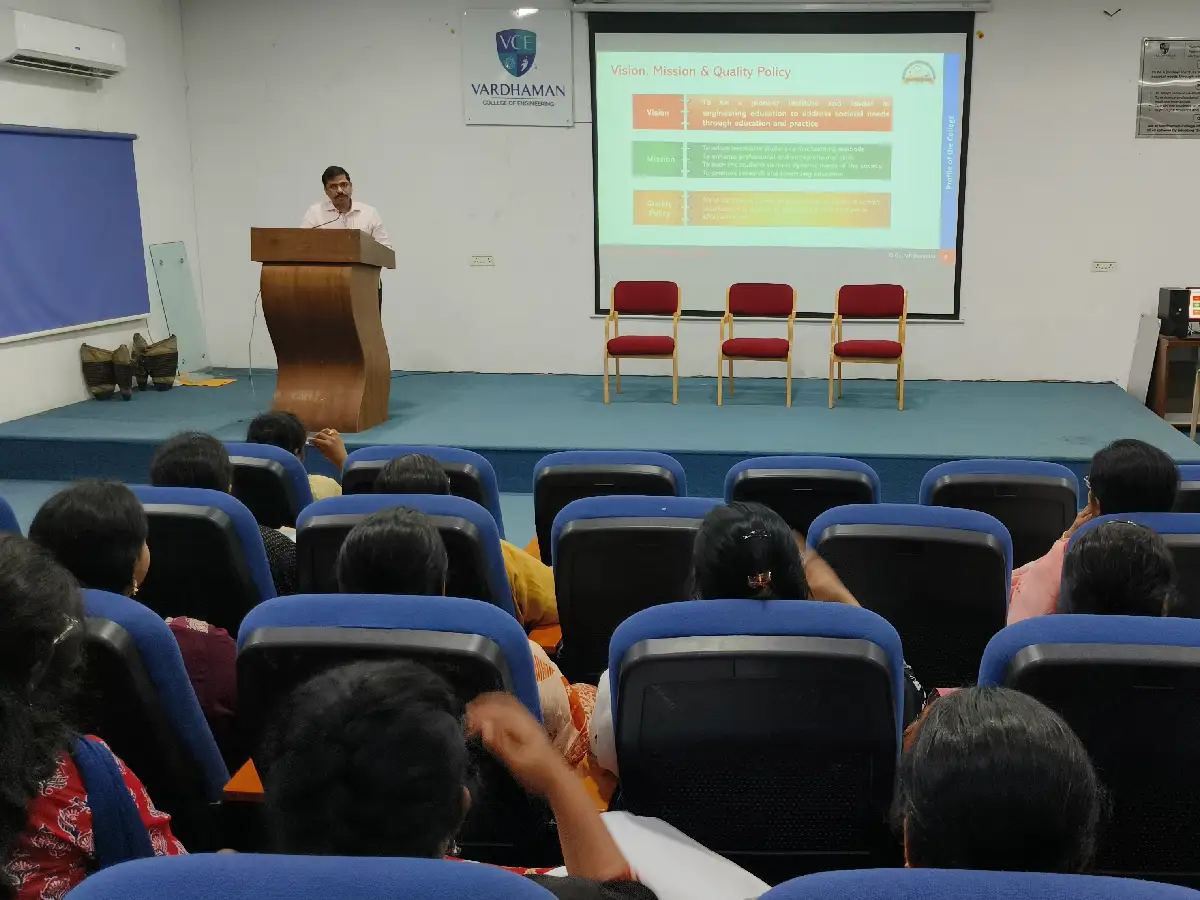
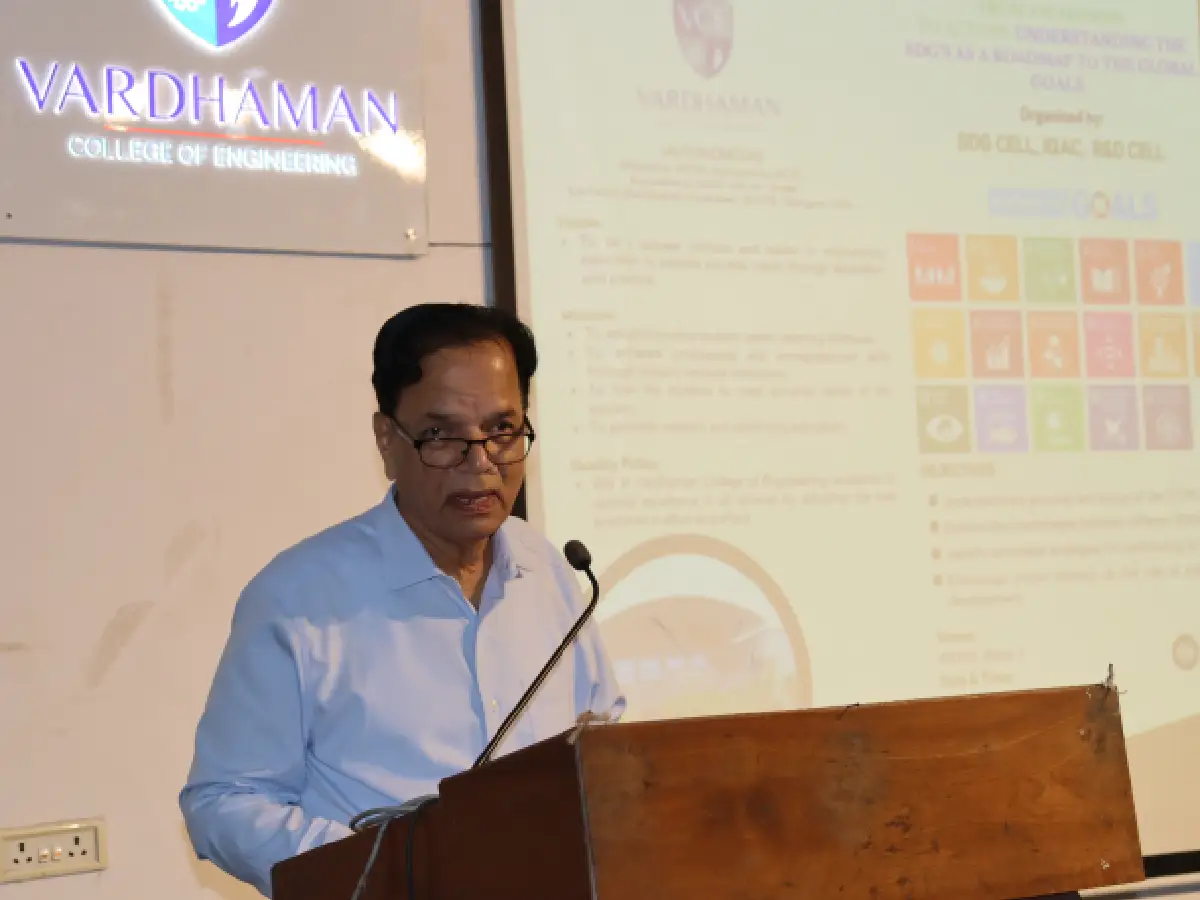
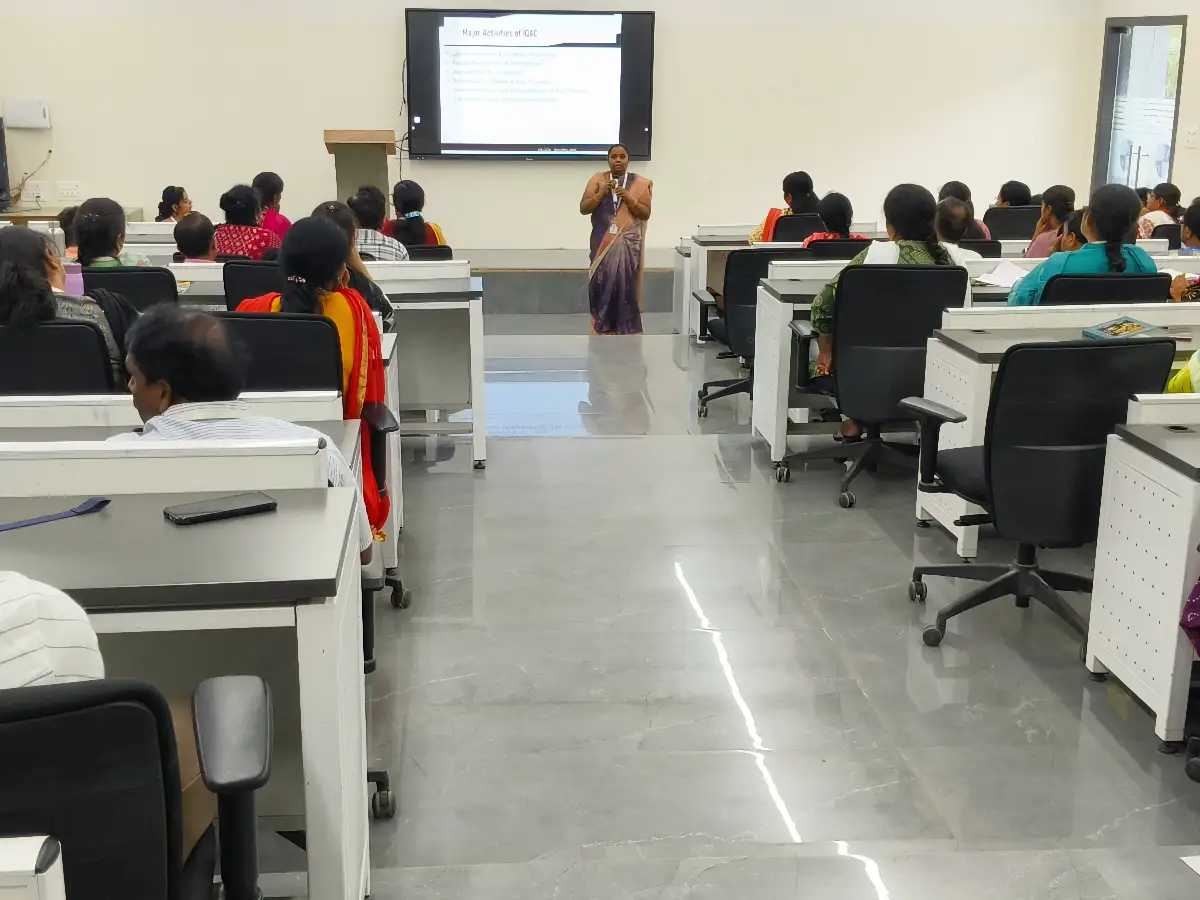
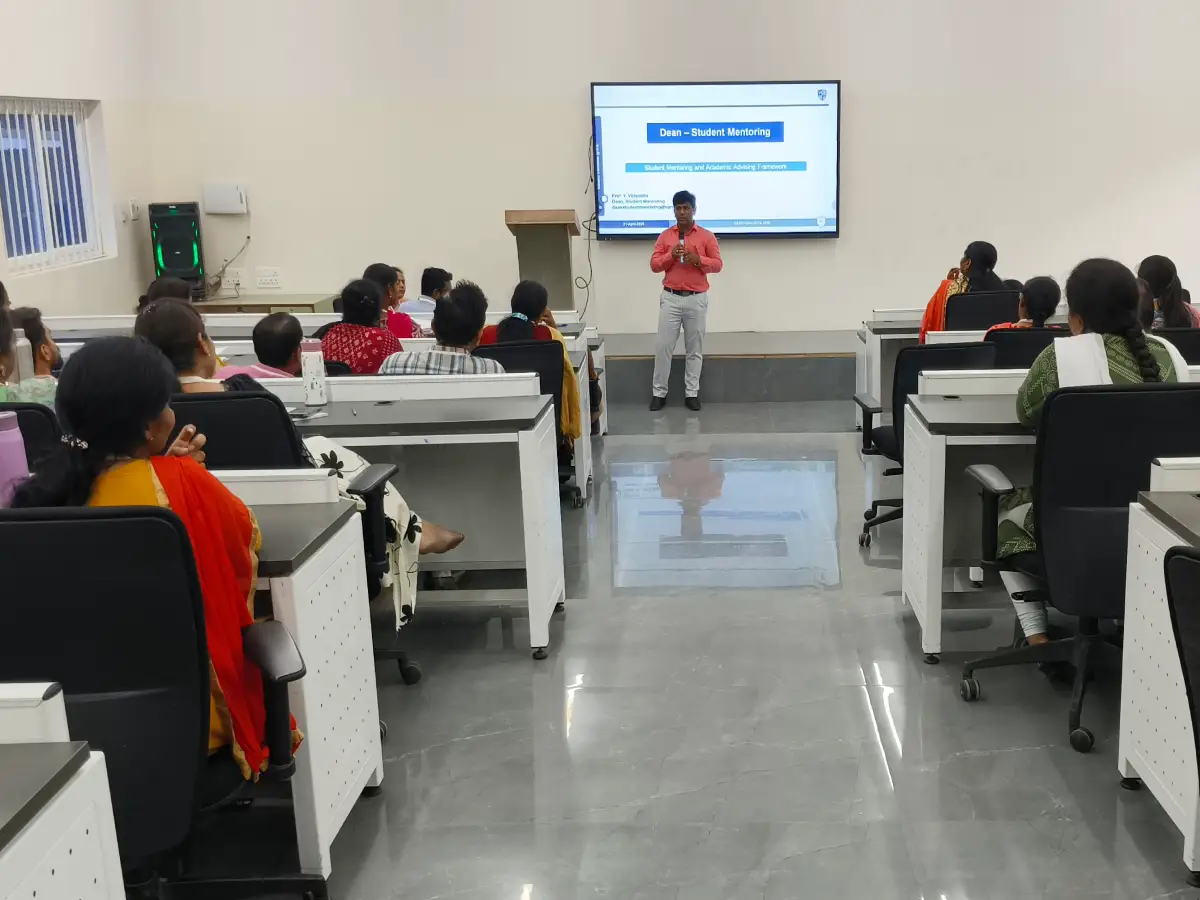
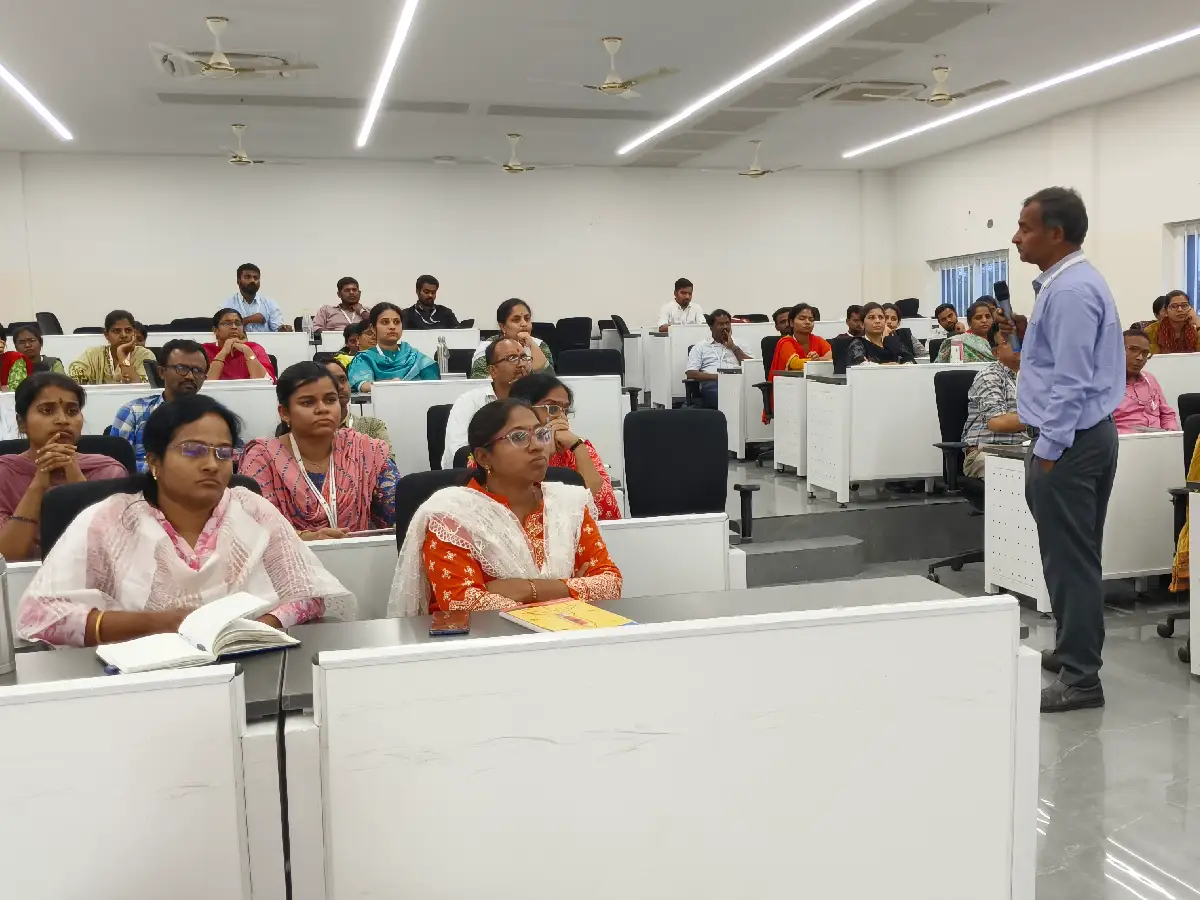
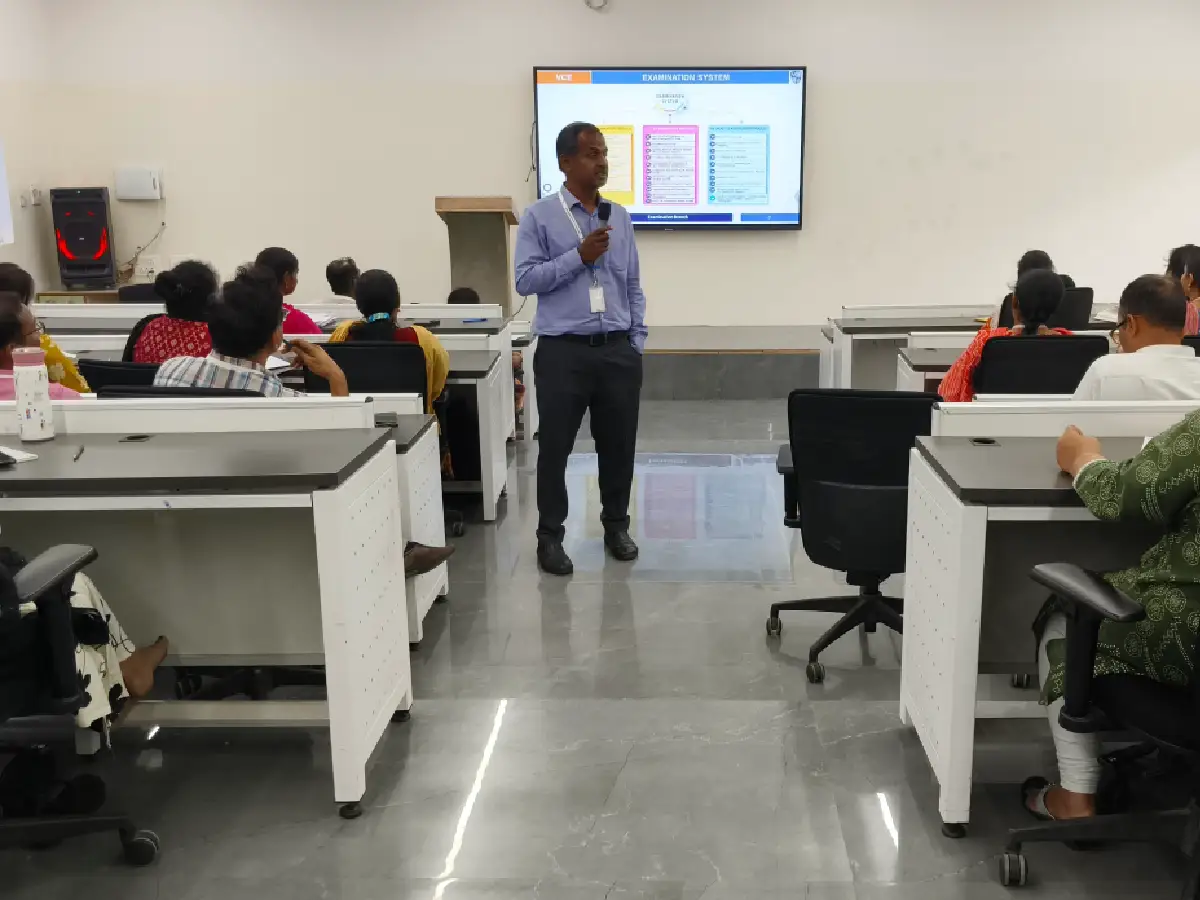
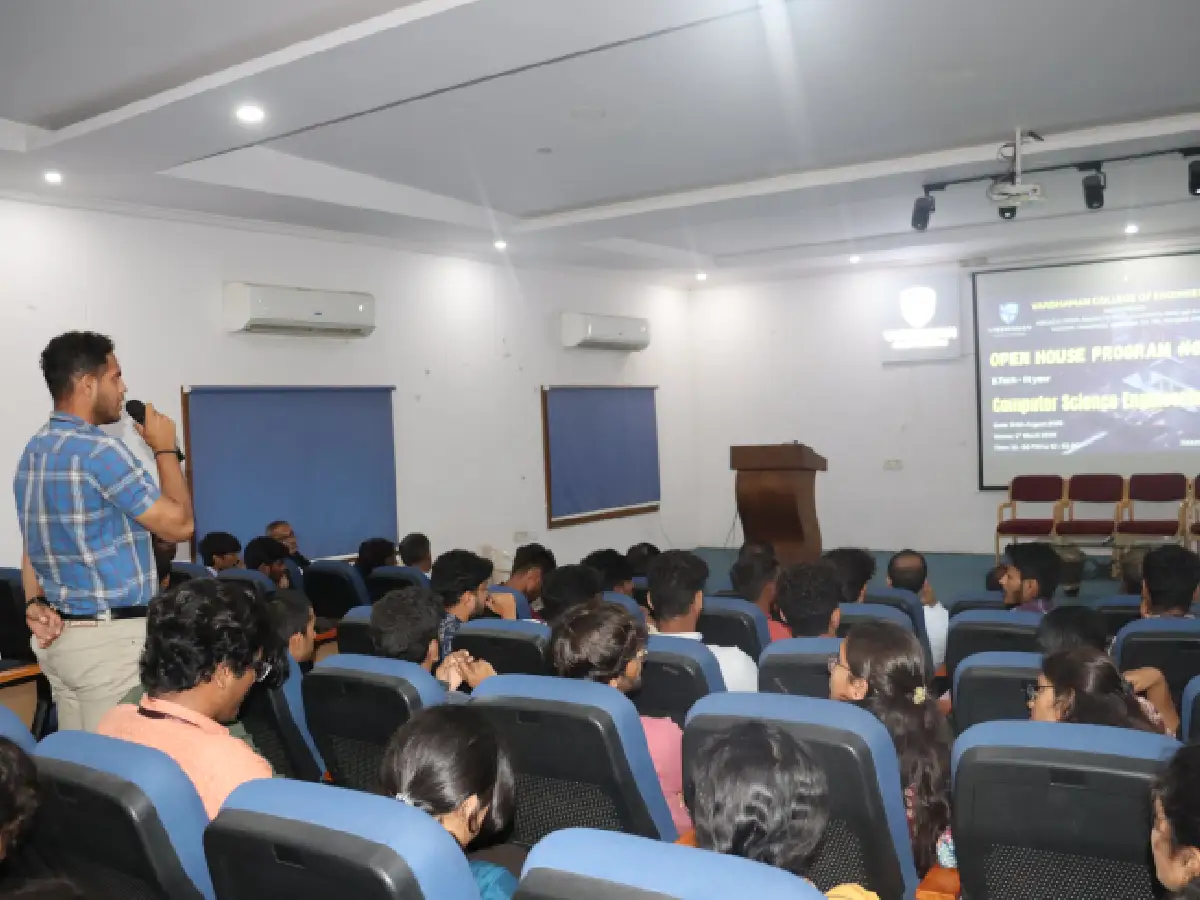
With the active involvement of the Internal Quality Assurance Cell (IQAC), Vardhaman College of Engineering systematically identifies, implements, and monitors institutional best practices to enhance industry readiness, innovation, and quality assurance. The IQAC plays a pivotal role in ensuring effective execution, continuous evaluation, and refinement of these practices, thereby promoting holistic student development and sustained institutional excellence.
Vardhaman College of Engineering has established a structured framework for faculty performance evaluation and benchmarking under the active involvement of the Internal Quality Assurance Cell (IQAC). This framework defines clear and measurable criteria across teaching, research, professional development, and institutional contributions to ensure consistent academic excellence and accountability. The benchmarks are aligned with institutional goals, accreditation standards, and national quality frameworks, promoting a culture of performance-driven growth and continuous improvement.
The evaluation system incorporates well-defined targets related to workload, student outcomes, feedback, research publications, funded projects, patents, professional engagement, and mentoring effectiveness. By setting differentiated benchmarks for Assistant Professors, Associate Professors, and Professors, the institution ensures role-specific expectations and progressive professional development. This systematic approach enables data-driven monitoring, performance enhancement, and recognition of faculty contributions, thereby strengthening academic quality, research output, and overall institutional excellence.
The Strategic Plan of Vardhaman College of Engineering is developed through a comprehensive and participatory process involving all key stakeholders, including faculty, students, alumni, industry representatives, and academic leaders. The plan is formulated by the Planning and Evaluation Committee (PEC) based on institutional priorities, stakeholder inputs, and alignment with national quality frameworks and future educational trends.
The implementation of the Strategic Plan is systematically monitored and reviewed by the PEC in coordination with the Internal Quality Assurance Cell (IQAC) and the Head of the Institution (HoI) to ensure effective execution, continuous evaluation, and timely corrective actions. The finalized Strategic Plan is placed before and approved by the Governing Body, ensuring institutional commitment, accountability, and alignment with long-term vision and mission objectives.
The Internal Quality Assurance Cell (IQAC) plays a pivotal role in strengthening the institution’s performance in accreditation and national rankings. The IQAC is actively involved in the preparation and submission of AQAR reports to NAAC, ensuring compliance with quality benchmarks and continuous quality improvement practices. It also coordinates and facilitates institutional-level criteria documentation and data validation for NBA accreditation, supporting departments in meeting Outcome-Based Education (OBE) requirements.
In addition, the IQAC undertakes systematic compilation, verification, and submission of data for NIRF rankings, ensuring accuracy, transparency, and alignment with prescribed parameters. Through these structured efforts, the IQAC enables the institution to maintain high standards of quality assurance, improve ranking performance, and enhance institutional visibility at national and global levels.